Five messages. Five scams. Prove it.
Pick one and answer it. The phone plays out whatever you send.
Expose the Scam is a free scam detection game for teens 12–17. It runs in your browser, needs no account and never asks for anything real.
Today
-
 Messagesnow
 SamBloxDailyHub. free robux vid, 40 min old. kids already typing passwords in
-
 Discordnow
 Alexyo bro emergency
-
Messagesnow
+1 (947) 555-0138Roblox: Suspicious login from Hanoi, Vietnam. Verify at roblox-verify.net in 2 min or your account will be DELETED.
-
Messagesnow
+1 (415) 555-0182payment goes out same day. slots are filling fast, need an answer within the hour
-
Messagesnow
 Seller_Ryan · Marketplacejust need $50 on TapCash so i can drop it at usps. u pay the other 70 when it lands 🙏
Tap a message to open it
Tap to skip ahead
The five messages
Each case is built from a scam teens actually get. It starts with one message, runs about three minutes on a simulated phone, and ends by showing what your answers proved and what they cost.
-
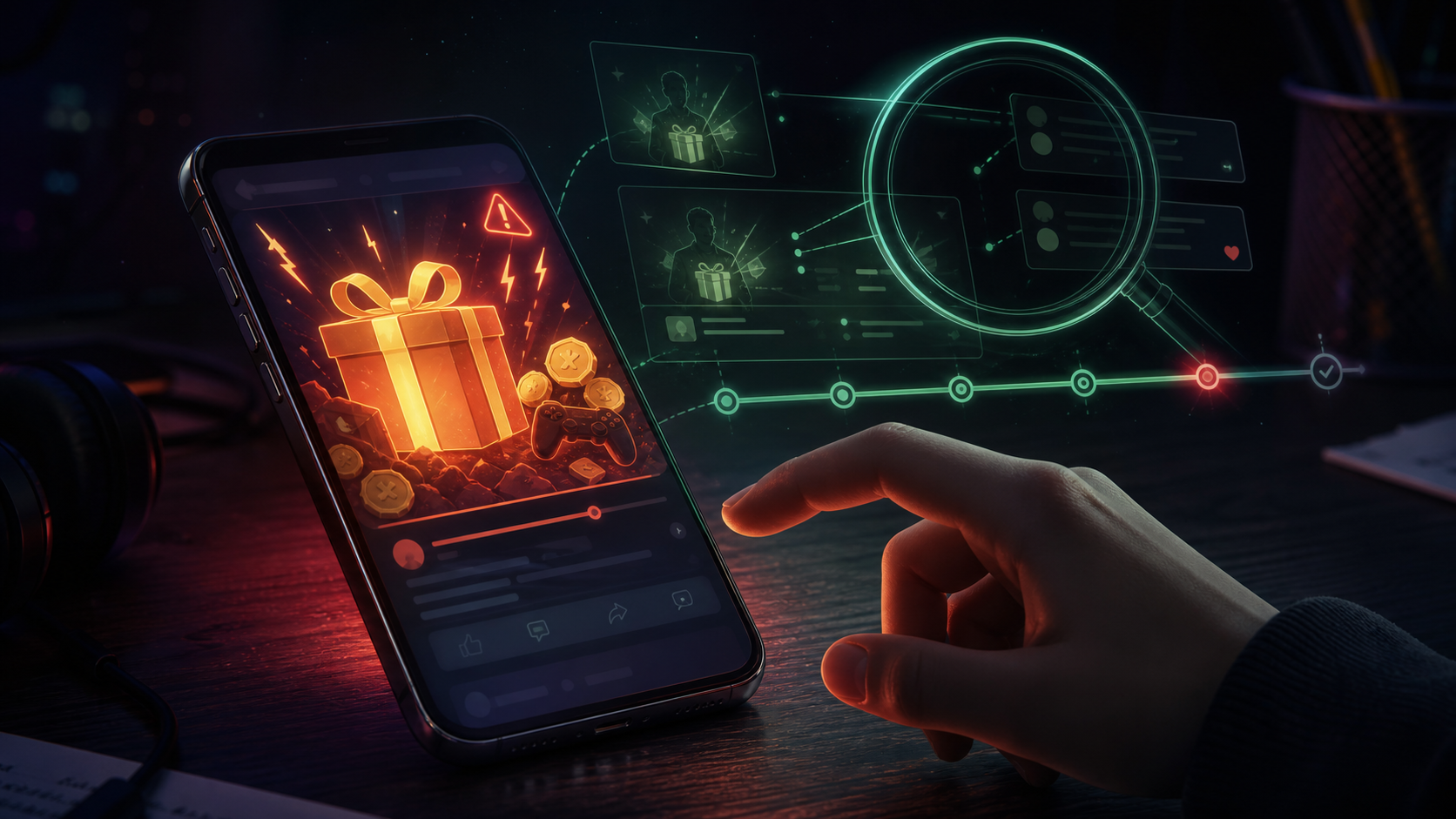
Squad Bounty
A free-robux video is forty minutes old and already has 14,000 views. Sam's paying twenty STORY to whoever proves it's a scam.
Open Sam's message -
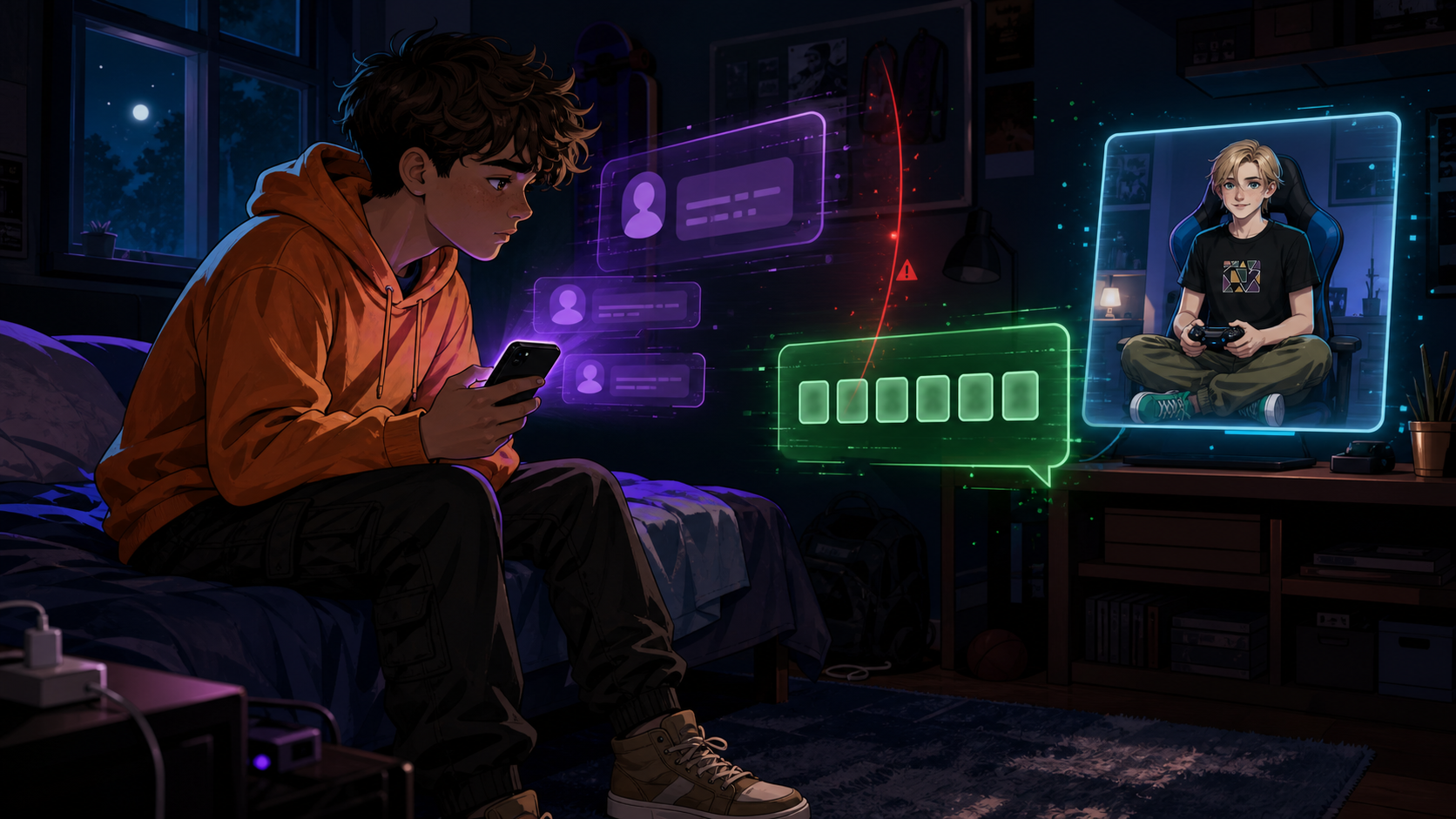
The Six-Digit Favor
Midnight. Alex's name lights up, begging for a six-digit code. He swears it's for his account.
Open Alex's message -
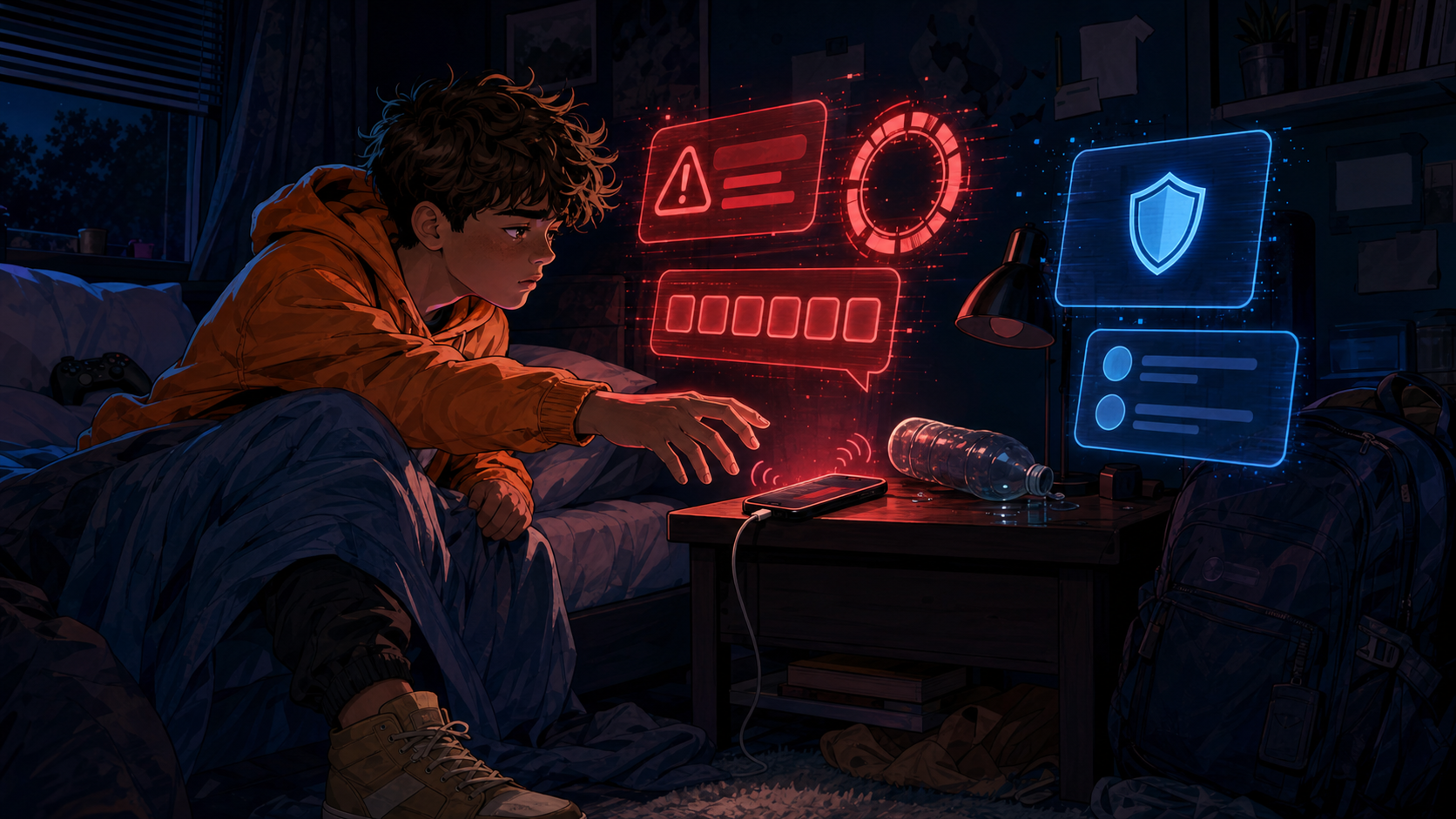
3 AM Security Alert
3:14 AM. A text on the nightstand says the Roblox account gets deleted in two minutes.
Open the 3 AM text -
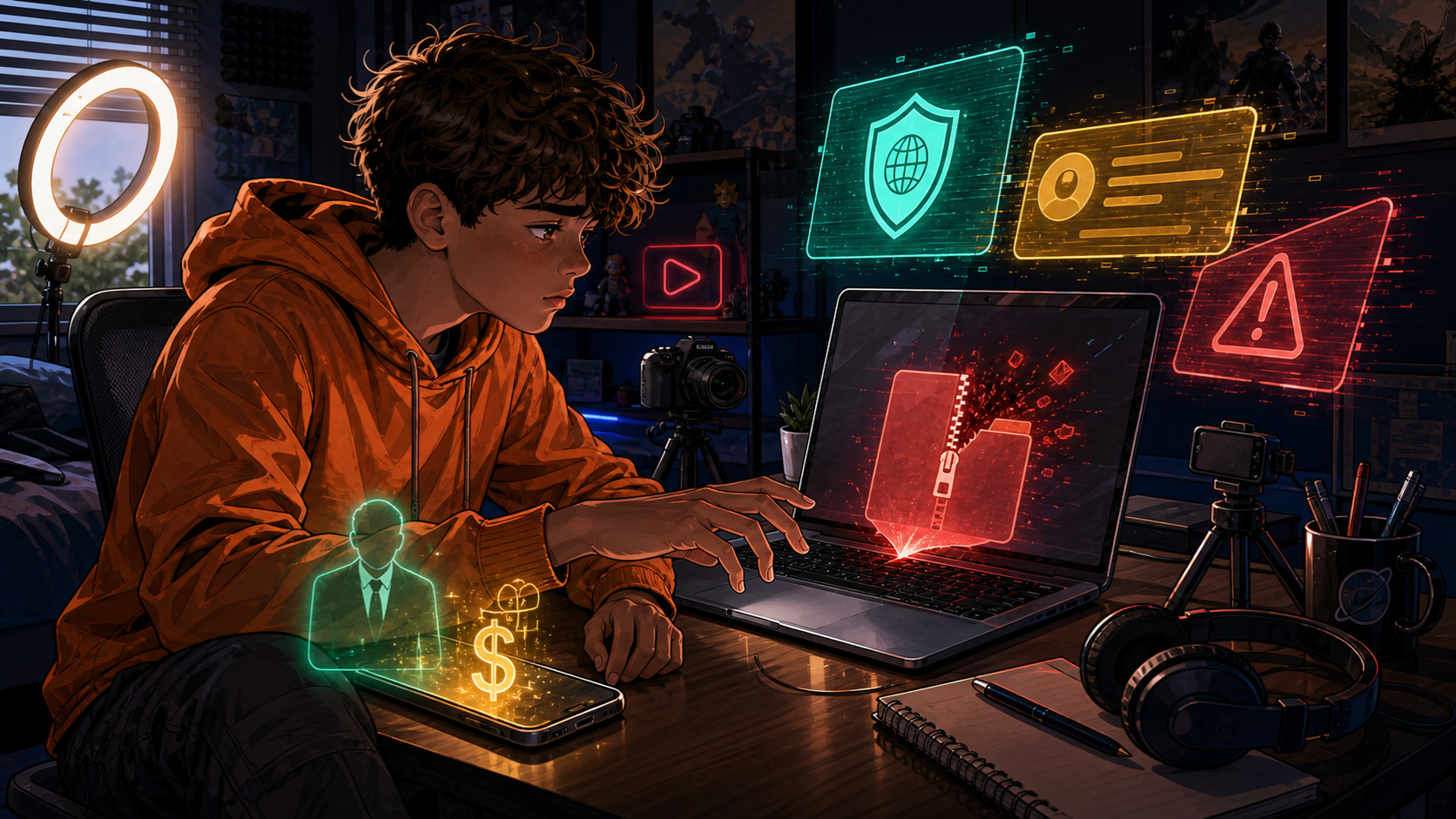
The Brand Deal “Contract”
A gaming brand texts you out of nowhere. $500, three videos, paid same day.
Open the brand deal -
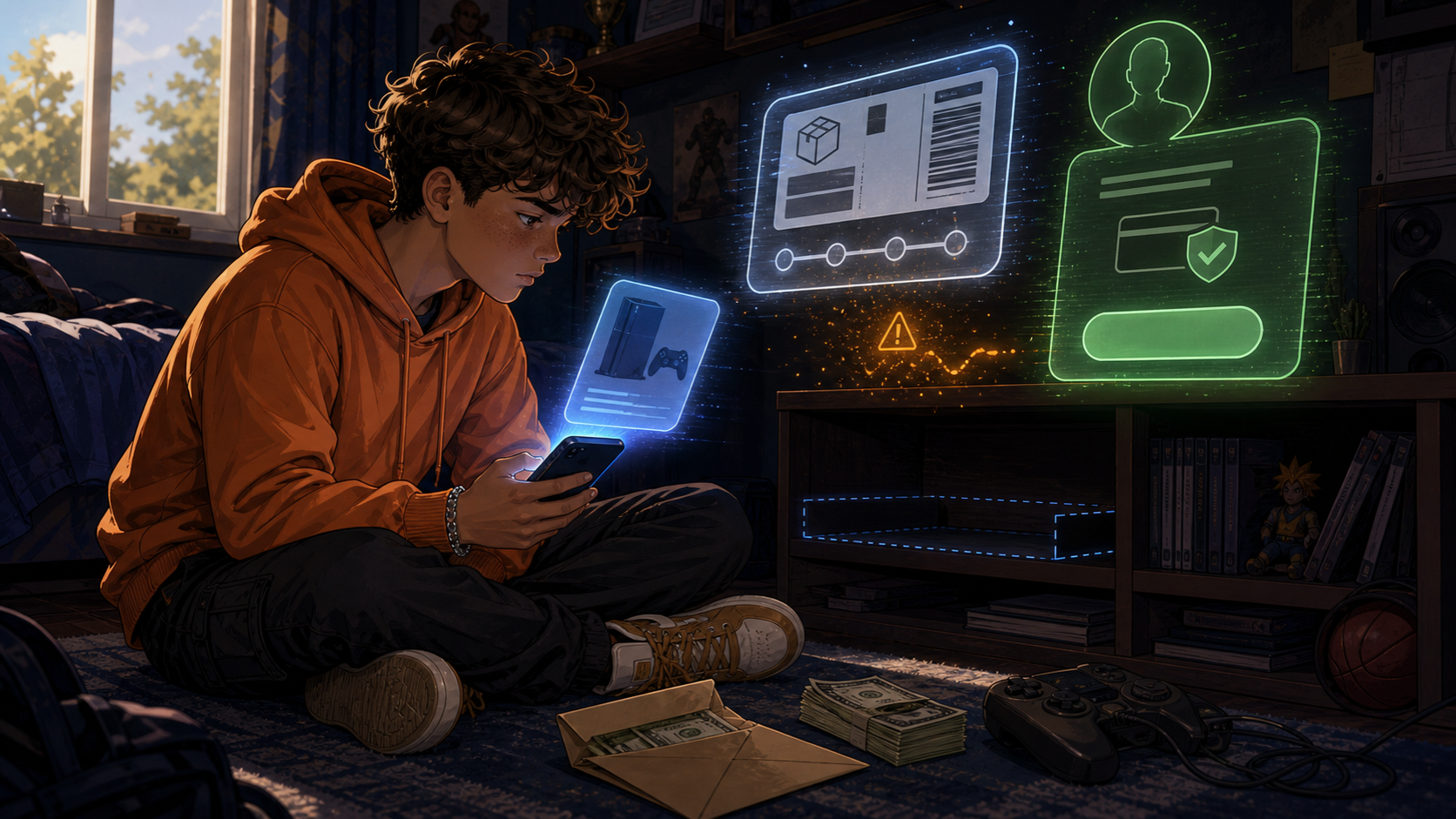
The Too-Cheap Console
Saturday, 1:26 PM. A PS5 for $120, 2.4 miles away, and the seller wants $50 before he'll ship it.
Open the seller's message
Before you play
Do I type my real password or pay anything?
No. The phone, the accounts, the codes and the payments are simulated. When a case asks for a password, it gives you a pretend one. STORY is game currency, and no real money moves.
Do I need an account?
No. All five cases play in your browser. Guest progress stays in that browser and does not sync between devices.
Who is this for?
LifeQuest makes interactive stories for US teens aged 12–17. These cases cover the scams teens meet most: free Robux offers, hacked friends asking for codes, fake security texts, fake creator deals and marketplace deposits.
What if this happens for real?
Our guides cover free Robux scams, Discord scams and what to do after clicking a phishing link.